Exactly How an Aluminum Foundry Plays a Vital Function in Numerous Industries
an Aluminum foundry functions as an essential component across several sectors. It offers lightweight and durable materials that improve item performance. In aerospace and automotive applications, these foundries create parts that meet stringent criteria while enhancing efficiency. Customer electronic devices and building additionally gain from ingenious aluminum designs. Nevertheless, the effect of aluminum foundries prolongs past just producing. The nuances of their function in sustainability and recycling are worth checking out additionally.
The Process of Aluminum Casting
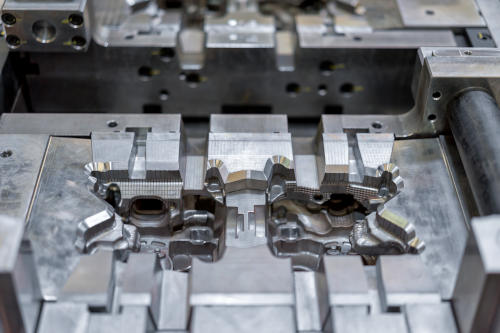
Aluminum casting is a complex process, it can be broken down right into several essential stages that guarantee the manufacturing of premium elements. Raw aluminum is melted in a heating system, reaching temperature levels around 1,200 degrees Fahrenheit. This molten aluminum can after that be put right into mold and mildews made for specific forms and sizes.
As soon as poured, the steel is allowed to solidify and cool down, creating the preferred element. The following stage entails getting rid of the casting from the mold, complied with by an extensive evaluation to identify any type of defects.
Machining procedures are utilized to achieve accurate measurements and surface coatings if essential. Lastly, the completed spreadings undertake surface area treatments for improved resilience and aesthetics. Each of these phases is important, as they collectively ensure the structural honesty and performance of the final aluminum items, making them suitable for numerous commercial applications.
Applications in the Automotive Market
Aluminum foundries play a vital function in the automotive industry by producing lightweight components that boost gas effectiveness. The material's warm resistance residential or commercial properties make it ideal for different engine components, ensuring toughness under severe problems. In addition, aluminum's adaptability permits customized style capabilities, fulfilling the certain requirements of contemporary car manufacturing.
Lightweight Parts Manufacturing
The automotive sector progressively counts on lightweight components to improve gas efficiency and efficiency. Aluminum foundries play an essential duty in this change by producing top quality aluminum components that reduce general lorry weight without jeopardizing toughness. These light-weight components, such as engine blocks, framework, and body panels, add to enhanced acceleration and handling, making lorries much more active - aluminum foundry. Furthermore, the use of aluminum permits for greater design versatility, enabling makers to produce cutting-edge forms and frameworks that standard materials can not attain. As automakers strive to meet stringent discharges laws and customer demands for greener lorries, the importance of lightweight aluminum elements will certainly remain to expand, solidifying the aluminum foundry's crucial placement in the automotive supply chain
Warm Resistance Advantages
Heat resistance is a vital consider automotive applications, especially for elements based on severe temperature levels. Aluminum castings from foundries are crafted to stand up to high heat, making them optimal for engine components, transmission housings, and exhaust parts. The capability to preserve structural honesty under thermal stress and anxiety improves performance and long life, reducing the need for regular substitutes. Furthermore, aluminum's lightweight nature adds to overall automobile effectiveness, which is vital in contemporary automotive design. The foundry process permits details alloy make-ups that improve warm resistance, ensuring that parts can run properly sought after environments. Because of this, aluminum castings not only meet automotive industry standards yet additionally add to enhanced gas efficiency and reduced emissions.
Personalized Layout Capabilities
While modern automotive layouts demand innovation and versatility, custom-made style abilities supplied by aluminum foundries play a crucial role in meeting these demands. These foundries offer tailored options, enabling makers to create components that are lightweight yet durable. By leveraging sophisticated casting techniques, they can produce complex shapes and frameworks that optimize vehicle performance and fuel performance. Furthermore, aluminum's inherent residential properties permit boosted corrosion resistance, adding to longer-lasting automotive components. The capability to tailor designs likewise helps with quicker prototyping, enabling automotive designers to iterate and fine-tune their concepts quickly. This synergy between foundries and automotive manufacturers cultivates an environment of creative thinking and performance, eventually driving advancements in vehicle innovation and design.
Payments to the Aerospace Industry
The aerospace market substantially take advantage of aluminum foundries with the manufacturing of lightweight components that boost fuel effectiveness and performance. Accuracy casting methods employed in this market assurance that components fulfill stringent aerospace criteria, important for security and integrity. These payments underscore the important duty aluminum foundries play in progressing aerospace innovation.
Lightweight Elements Manufacturing
Aluminum foundries play a crucial role in the aerospace market by producing light-weight parts that boost airplane performance and performance. The usage of aluminum alloys allows manufacturers to decrease the overall weight of aircraft without compromising architectural integrity. This reduction in weight adds to improved fuel effectiveness, resulting in reduced functional costs and minimized exhausts. Furthermore, lightweight parts promote far better maneuverability and increased haul capability, necessary factors in contemporary aircraft style. By leveraging sophisticated casting techniques, aluminum foundries can produce detailed shapes and layouts that meet the rigid security and efficiency requirements of the aerospace sector. As a result, these foundries are indispensable to the recurring advancements in aerospace innovation, driving advancement and sustainability in air travel.
Precision Casting Strategies
Exactly how can precision casting strategies change the aerospace industry? These innovative methods allow the production of light-weight and intricate elements that satisfy rigid efficiency needs. By making use of accuracy casting, producers achieve a greater degree of information in component styles, enabling intricate geometries that were formerly tough to produce. This capability results in decreased material waste and enhanced structural stability, crucial for Go Here aerospace applications. In addition, precision casting methods assist in the development of parts with superior surface area coatings, lessening the requirement for comprehensive post-processing. The performance gained from these techniques contributes to much shorter preparations and reduced production expenses, inevitably boosting the competitiveness of aerospace makers. Consequently, accuracy casting arises as a crucial procedure in advancing aerospace technology and performance.
Aerospace Sector Criteria
Standards in the aerospace market play a substantial role in guaranteeing security, reliability, and efficiency across different applications. Aluminum foundries add considerably to this market by sticking to rigorous guidelines set by companies such as the Federal Air Travel Management (FAA) and the European Union Aviation Security Agency (EASA) These criteria determine product requirements, screening treatments, and quality assurance refines that aluminum parts must meet. Conformity with these regulations guarantees that components, such as aircraft structures and engine parts, can withstand extreme problems and stress and anxiety. Furthermore, advanced modern technologies and strenuous evaluations in aluminum foundries advertise the production of lightweight yet resilient materials, boosting fuel performance and efficiency in aerospace layouts. Ultimately, these payments are important for keeping high security requirements in air travel.
Enhancing Customer Electronic Devices With Aluminum
As consumer electronics proceed to progress, the assimilation of aluminum has actually become increasingly considerable because of its distinct residential or commercial properties. This light-weight steel provides exceptional thermal conductivity, making it ideal for warmth dissipation in gadgets like mobile phones, laptops, and video gaming consoles. Additionally, aluminum's high strength-to-weight proportion allows suppliers to create sleeker, much more portable products without jeopardizing sturdiness.
Aluminum is likewise highly resistant to rust, boosting the durability of customer electronic devices in different environments. Its malleability makes it possible for intricate styles and modifications, attracting aesthetic preferences while preserving functionality. Furthermore, the recyclable nature of aluminum straightens with the growing need for sustainable practices in electronics manufacturing.
Incorporating aluminum not only boosts performance but additionally provides producers with chances for technology. As the market presses in the direction of even more sophisticated technology, aluminum's function in shaping the future of customer electronics stays pivotal.
The Duty of Aluminum in Building and Facilities
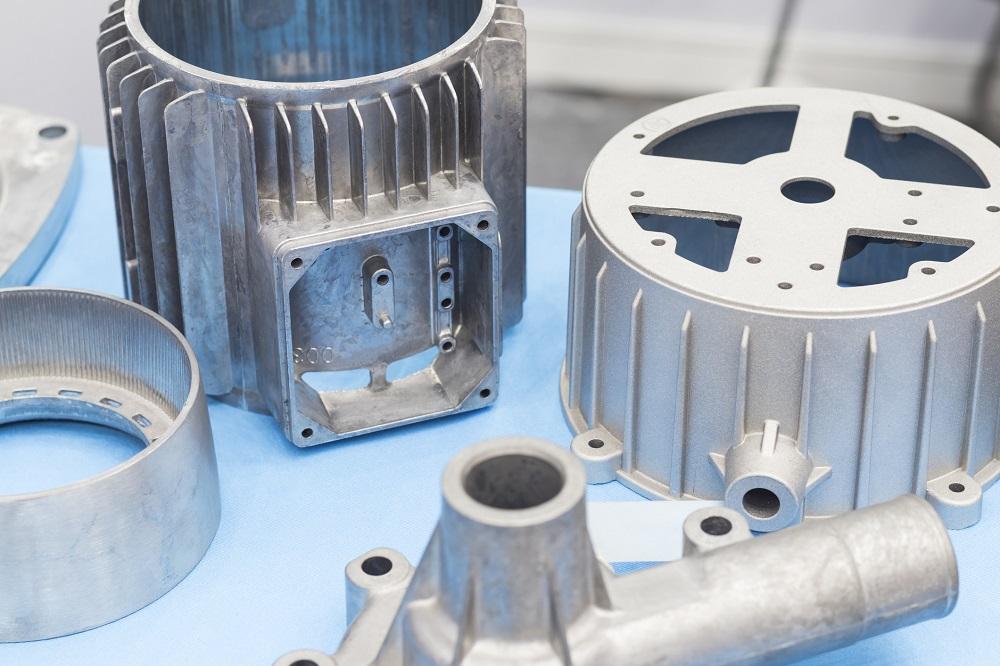
Aluminum plays a crucial function in the construction and infrastructure industries, thanks to its light-weight nature and amazing stamina. This steel is often made use of in a selection of structural applications, including light here are the findings beams, columns, and structures, which add to the overall stability and longevity of buildings. Its resistance to rust makes aluminum a perfect option for outside structures and settings subjected to rough weather problems.
Furthermore, aluminum's malleability permits building innovations and complex layouts, improving aesthetic charm. The product's thermal conductivity plays a significant function in energy-efficient structure styles, assisting in temperature policy and decreasing power usage.
Aluminum's recyclability boosts its good looks for modern building tasks, as it can be recycled without losing top quality - Aluminum Casting. The flexibility of aluminum enables architects and designers to create safer, much more reliable, and lasting facilities, solidifying its placement as a crucial component in the building and construction industry
Sustainability and Recycling in Aluminum Foundries
While lots of sectors seek sustainable techniques, aluminum foundries are specifically noteworthy for their commitment to recycling and environmental responsibility. Aluminum is just one of the most recycled materials worldwide, with foundries using scrap steel to generate new items. This procedure significantly decreases energy consumption, as recycling aluminum calls for only 5% of the energy required to extract it from raw ore.
Additionally, aluminum foundries execute advanced innovations to minimize waste and emissions. Closed-loop systems are commonly utilized to take care of water usage effectively, while initiatives to minimize carbon impacts are increasingly typical. The focus on sustainability not just fulfills regulative needs but additionally attract ecologically aware consumers and businesses.

Often Asked Questions
What Safety Actions Are Implemented in an Aluminum Foundry?
Security measures in an aluminum foundry include personal safety tools, air flow systems, regular security training, emergency situation feedback plans, danger interaction, devices security protocols, and adherence to work-related health laws to minimize dangers and assurance worker security.
Exactly How Does Aluminum Casting Affect Item Toughness?
Aluminum casting considerably improves item sturdiness by supplying excellent strength-to-weight ratios, deterioration resistance, and thermal conductivity. These buildings assure that actors aluminum components withstand rough settings and mechanical tension, eventually extending their life expectancy and reliability.
What Are the Usual Issues in Aluminum Casting?
Common problems in aluminum casting include porosity, shrinking, incorporations, chilly shuts, and surface imperfections. These concerns can emerge from inappropriate mold layout, insufficient temperature level control, or contamination, possibly affecting the overall quality and performance of the last product.
Exactly How Is High Quality Control Maintained in Aluminum Foundries?
Quality control in aluminum foundries is kept with extensive evaluation processes, adherence to industry criteria, utilization of sophisticated innovations, and constant training of employees to guarantee this precision and minimize flaws throughout the casting procedure.
What Are the Costs Connected With Aluminum Casting Processes?
The prices connected with aluminum casting procedures include basic material costs, labor costs, equipment upkeep, energy intake, and quality assurance steps (Aluminum Casting). These elements jointly affect the general economic investment needed for efficient manufacturing
Aluminum foundries play a critical duty in this shift by producing top notch aluminum components that minimize total automobile weight without endangering strength. Aluminum castings from foundries are engineered to withstand high warm, making them perfect for engine parts, transmission housings, and exhaust components. While contemporary automotive styles require technology and flexibility, personalized design abilities supplied by aluminum foundries play a vital role in satisfying these needs. Aluminum foundries play a pivotal duty in the aerospace industry by creating lightweight components that boost aircraft effectiveness and performance. By leveraging sophisticated casting techniques, aluminum foundries can develop intricate shapes and styles that meet the strict security and efficiency requirements of the aerospace sector.